Common Digital Marketing Strategy Mistakes Businesses Make
“We tried digital marketing, but it simply did not work for us.”
This is one of the most common statements business owners make after months of running advertisements, publishing content, and investing in various digital channels without seeing meaningful growth. However, in most cases, the issue is not digital marketing itself—it is the lack of a clear and well-defined strategy behind those activities.
Digital marketing amplifies the strategy driving it. When the strategy is strong, marketing efforts can create momentum and accelerate growth. When the strategy is weak or unclear, digital channels can simply accelerate wasted resources and increase marketing costs without producing sustainable results.
This guideline explores the most common digital marketing strategy mistakes businesses make, how these mistakes gradually reduce marketing ROI, and what a more structured, strategic approach to digital marketing looks like in practice.
Why Businesses Make Digital Marketing Strategy Mistakes
Most digital marketing mistakes are not caused by a lack of effort. More often, they stem from three underlying challenges: the pressure to deliver results quickly, the misconception that running advertisements or publishing content constitutes a strategy, and limited time or in-house expertise to conduct the research and planning required beforehand.
Under pressure to demonstrate immediate marketing performance, businesses often move directly into execution—launching campaigns, publishing content, or boosting posts—without first addressing the more fundamental questions of who they are trying to reach, what they want to achieve, and why their audience should choose them. As a result, many of the challenges businesses experience later are not isolated marketing failures; they are symptoms of strategic decisions that were never properly addressed at the beginning.
Common Digital Marketing Strategy Mistakes
Across businesses of different sizes and industries, the same digital marketing strategy mistakes tend to appear repeatedly. While each may seem manageable on its own, together they can significantly limit marketing performance and reduce return on investment.
The graphical visual below presents the key points of the 15 most common digital marketing strategy mistakes discussed in this article. It provides a concise overview of the areas businesses should evaluate when reviewing their current marketing strategy.
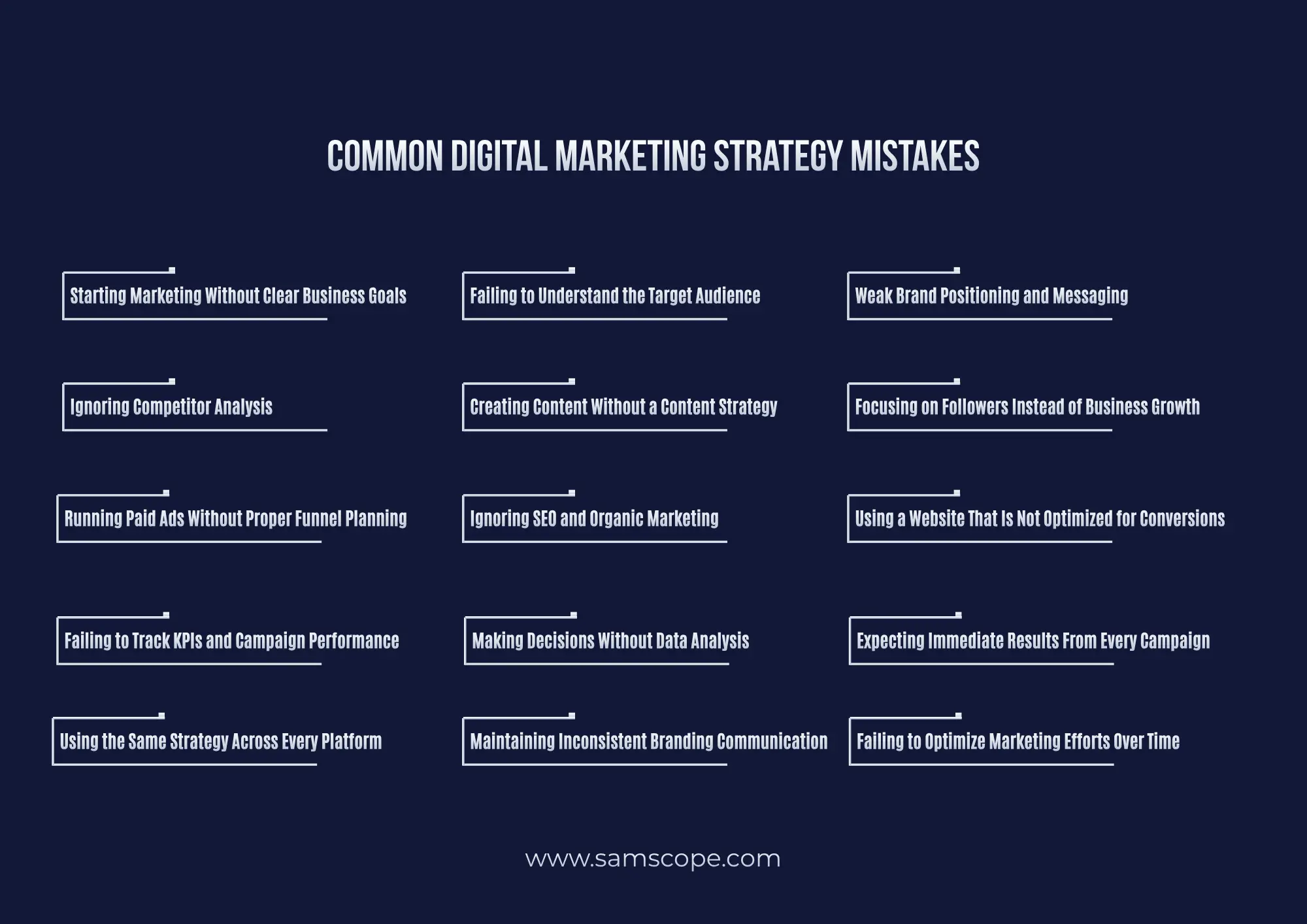
The visual highlights the key areas where strategic gaps commonly occur. The following sections explain each mistake in greater detail, including how it can affect marketing performance and business growth.
Starting Marketing Without Clear Business GoalsWithout clearly defined business and marketing objectives, campaigns lack a specific direction and measurable destination.
Failing to Understand the Target AudienceWithout a clear understanding of the target audience, businesses often create messaging that lacks relevance and fails to connect with the people they want to reach.
Weak Brand Positioning and MessagingUnclear positioning and inconsistent messaging can make it difficult for customers to understand what the business offers, who it serves, and why it is different.
Ignoring Competitor AnalysisFailing to analyze competitors can result in missed opportunities to identify market gaps, understand customer expectations, and establish meaningful differentiation.
Creating Content Without a Content StrategyPublishing content without a defined strategy often leads to disconnected posts that generate activity without contributing to broader business or marketing objectives.
Focusing on Followers Instead of Business GrowthTreating follower growth as the primary measure of success can shift attention toward vanity metrics rather than meaningful indicators such as leads, conversions, revenue, and customer retention.
Running Paid Ads Without Proper Funnel PlanningAdvertising without clearly defined audiences, objectives, and conversion pathways can generate clicks and impressions without consistently turning them into qualified leads or customers.
Ignoring SEO and Organic MarketingRelying exclusively on paid traffic can create ongoing dependency on advertising budgets. When spending stops, the flow of paid traffic typically stops with it.
Using a Website That Is Not Optimized for ConversionsA website may attract visitors but still fail to generate meaningful action if its structure, messaging, user experience, or calls to action are not designed around conversion objectives.
Failing to Track KPIs and Campaign PerformanceWithout tracking relevant KPIs, conversions, and campaign performance, businesses have limited visibility into what is working, what is underperforming, and where resources should be allocated.
Making Decisions Without Data AnalysisRelying primarily on assumptions, personal preferences, or intuition instead of performance data can lead to ineffective decisions and inefficient resource allocation.
Expecting Immediate Results From Every CampaignNot every marketing strategy produces immediate results. Abandoning campaigns or strategic initiatives too early can prevent businesses from collecting sufficient data, learning from performance, and building sustainable momentum.
Using the Same Strategy Across Every PlatformEach digital platform has its own audience behavior, content formats, user expectations, and conversion dynamics. Applying an identical approach across every channel can limit effectiveness.
Maintaining Inconsistent Branding and CommunicationInconsistent visual identity, messaging, tone, or brand communication across channels can weaken brand recognition and make it more difficult to establish trust and credibility.
Failing to Optimize Marketing Efforts Over TimeMarketing strategies should evolve based on performance data and changing market conditions. Continuing with the same approach despite clear performance signals can result in wasted resources and declining effectiveness.
Individually, these mistakes may appear relatively minor. However, when several occur simultaneously, their effects can compound—leading businesses to spend consistently on marketing without achieving the level of growth, efficiency, or return on investment they expect.
How Digital Marketing Mistakes Affect Marketing ROI
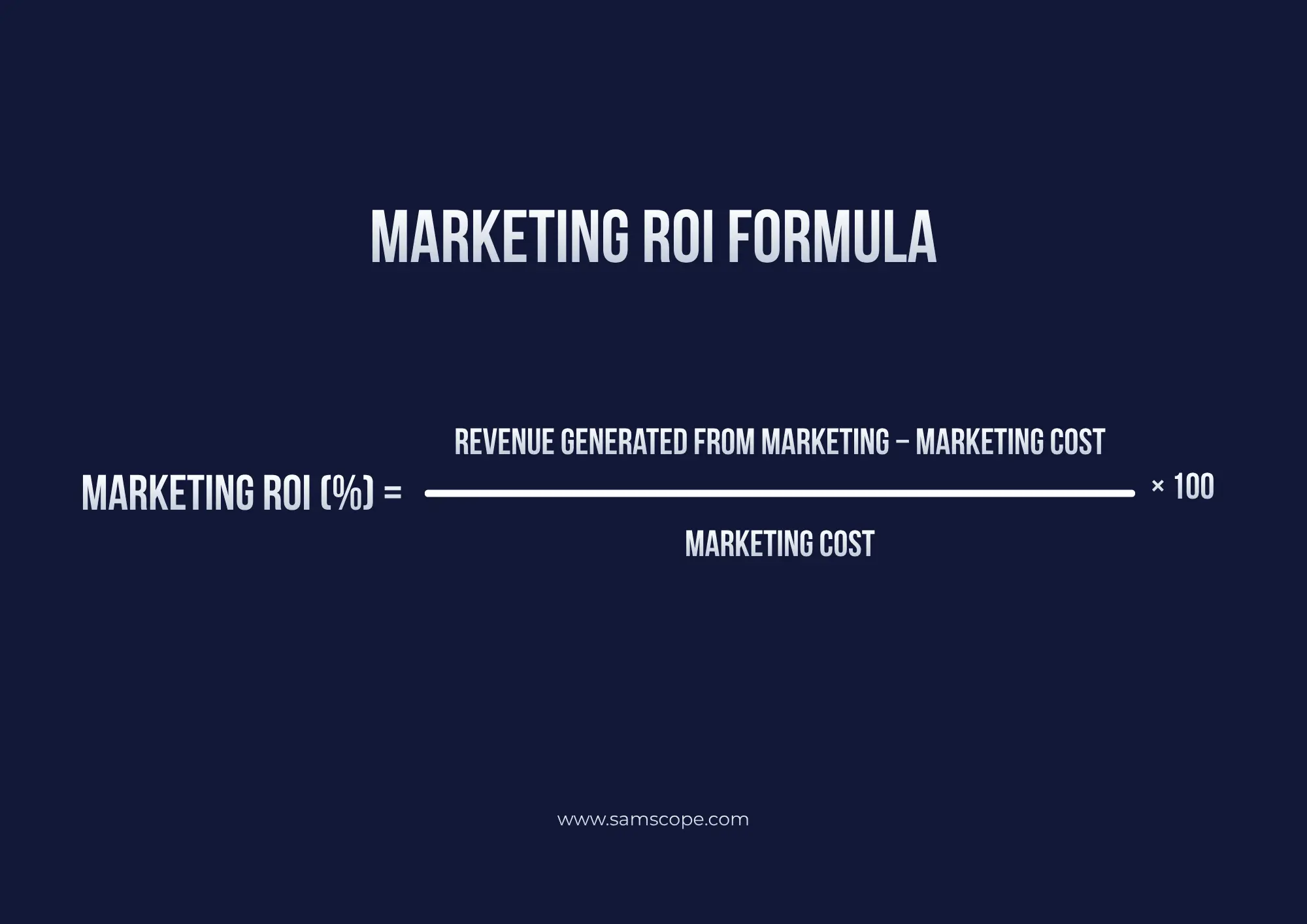
There are two primary ways to improve this figure: increase the revenue generated by marketing activities or reduce the cost required to generate that revenue. Nearly every mistake discussed above negatively affects at least one side of this equation, while some can impact both simultaneously.
For example, poor audience targeting and running paid campaigns without a properly structured conversion funnel can increase marketing costs by directing budget toward people who are unlikely to become customers. A related metric that businesses should monitor alongside ROI is Customer Acquisition Cost (CAC), which measures the average cost required to acquire a new customer:
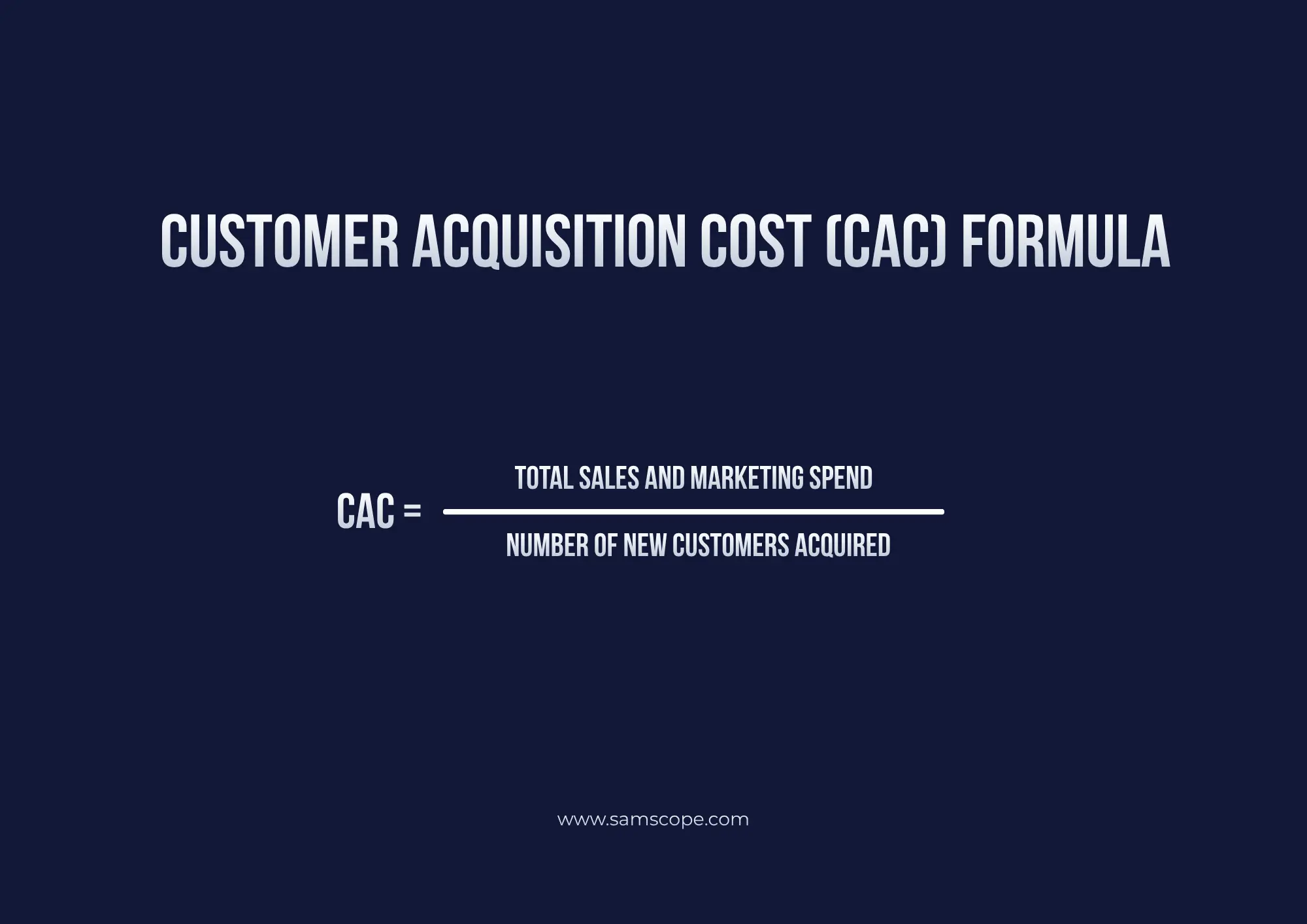
When targeting is ineffective, CAC can increase even when the overall marketing budget remains unchanged. This happens because the same amount of spending generates fewer customers.
Other strategic mistakes primarily affect the revenue side of the equation. A website that is not optimized for conversions, unclear brand messaging, or inconsistent communication can reduce the percentage of visitors who take meaningful action. As a result, revenue can decline even when traffic levels and marketing expenditure remain unchanged.
Some mistakes can affect both cost and revenue simultaneously. Failing to track KPIs or making marketing decisions without analyzing performance data can allow underperforming campaigns to continue running without correction. Businesses may continue spending on activities that generate limited returns while missing opportunities to improve conversion rates, reduce acquisition costs, and allocate their budget more effectively.
Ultimately, marketing ROI is not determined by how much a business spends on digital marketing alone. It is influenced by how strategically that investment is planned, executed, measured, and optimized.
How to Build a Smarter Digital Marketing Strategy
Avoiding these common mistakes begins long before the first advertisement goes live. A smarter digital marketing strategy starts with clearly defined business and marketing objectives—whether the goal is to achieve a specific revenue target, generate a defined number of qualified leads, or maintain customer acquisition costs below an established threshold.
Once the objectives are clear, audience and competitor research provide the foundation for determining who the business should target, what those customers need, how they make purchasing decisions, and how the brand can establish a differentiated position within the market.
For a growing e-commerce brand, this may involve mapping the entire customer journey, from the first advertisement impression through product consideration, website interaction, and checkout, before launching a campaign. This ensures that key tracking mechanisms, conversion points, and optimization opportunities are established before traffic begins flowing.
For a startup operating with a limited budget, a smarter approach may be to prioritize one or two strategically relevant channels and execute them effectively rather than spreading limited resources across multiple platforms without sufficient focus or consistency.
When marketing is planned in the right sequence—goals, research, positioning, customer journey, channel selection, execution, measurement, and optimization—the marketing budget becomes part of a structured growth system rather than a series of disconnected activities or uncertain investments.
The Importance of Measuring, Optimizing, and Scaling
A digital marketing strategy should never be treated as a one-time plan that is created and left unchanged. Continuous measurement and optimization are essential to maintaining performance and achieving sustainable results. Tracking performance against the KPIs established at the planning stage provides the data needed to determine whether the strategy is delivering its intended outcomes.
Optimization then turns those insights into action. By continuously analyzing performance and refining elements such as audience targeting, creative assets, messaging, offers, and conversion pathways, businesses can improve campaign efficiency and respond to changing customer behavior instead of allowing performance to decline unnoticed.
This process also creates the foundation for strategic scaling. Increasing a campaign’s budget should come after its performance has been measured, optimized, and demonstrated to generate results efficiently. Scaling an unoptimized campaign does not solve its underlying problems—it can simply multiply them at a higher cost.
In practice, sustainable digital marketing follows a continuous cycle: measure → analyze → optimize → validate → scale. This approach allows businesses to make informed decisions, improve marketing efficiency, and scale strategies based on evidence rather than assumptions.
Why Businesses Choose Samscope
The common thread behind the mistakes discussed throughout this guideline is their financial impact: marketing investment that fails to translate into meaningful business results. This is the challenge Samscope is designed to address.
Rather than encouraging businesses to continuously test advertisements, publish content, and rely on trial and error, Samscope’s Strategic Digital Marketing Solution for Sustainable Growth applies a structured, strategy-led process: analyze, strategize, implement, measure, optimize, and scale. This approach is designed to identify strategic gaps early, reduce inefficient marketing activity, and create a stronger foundation for sustainable growth.
Working with a strategic partner is not simply about adding another marketing expense; it is about addressing the cost of ineffective decision-making. Businesses can continue investing in disconnected campaigns and risk discovering months later that those efforts have not contributed to meaningful, long-term growth. Alternatively, they can strengthen the underlying strategy, establish a structured marketing system, and use data to continuously improve how their budget is allocated.
At Samscope, the objective is not simply to help businesses do more marketing. It is to help them make better marketing decisions—with a clear strategy, measurable objectives, continuous optimization, and a structured path toward sustainable growth.
Conclusion
The fifteen mistakes discussed in this article are common across businesses of different sizes and industries. Making them does not necessarily mean a business is ineffective at marketing; in many cases, it means strategy was treated as a secondary consideration rather than the foundation of the marketing process.
Addressing these issues does not always require a larger marketing budget. More often, businesses need a clearer strategy for allocating, executing, measuring, and optimizing the budget they already have. When marketing decisions are guided by defined objectives, audience insights, data, and continuous optimization, businesses can use their resources more efficiently and create a stronger foundation for sustainable growth.
Before launching another campaign, take a step back and evaluate whether any of these strategic gaps may be limiting your marketing performance.
Book a free consultation with Samscope to identify your key marketing challenges, understand where your current strategy may be underperforming, and establish a more structured approach to turning your marketing investment into measurable business growth.